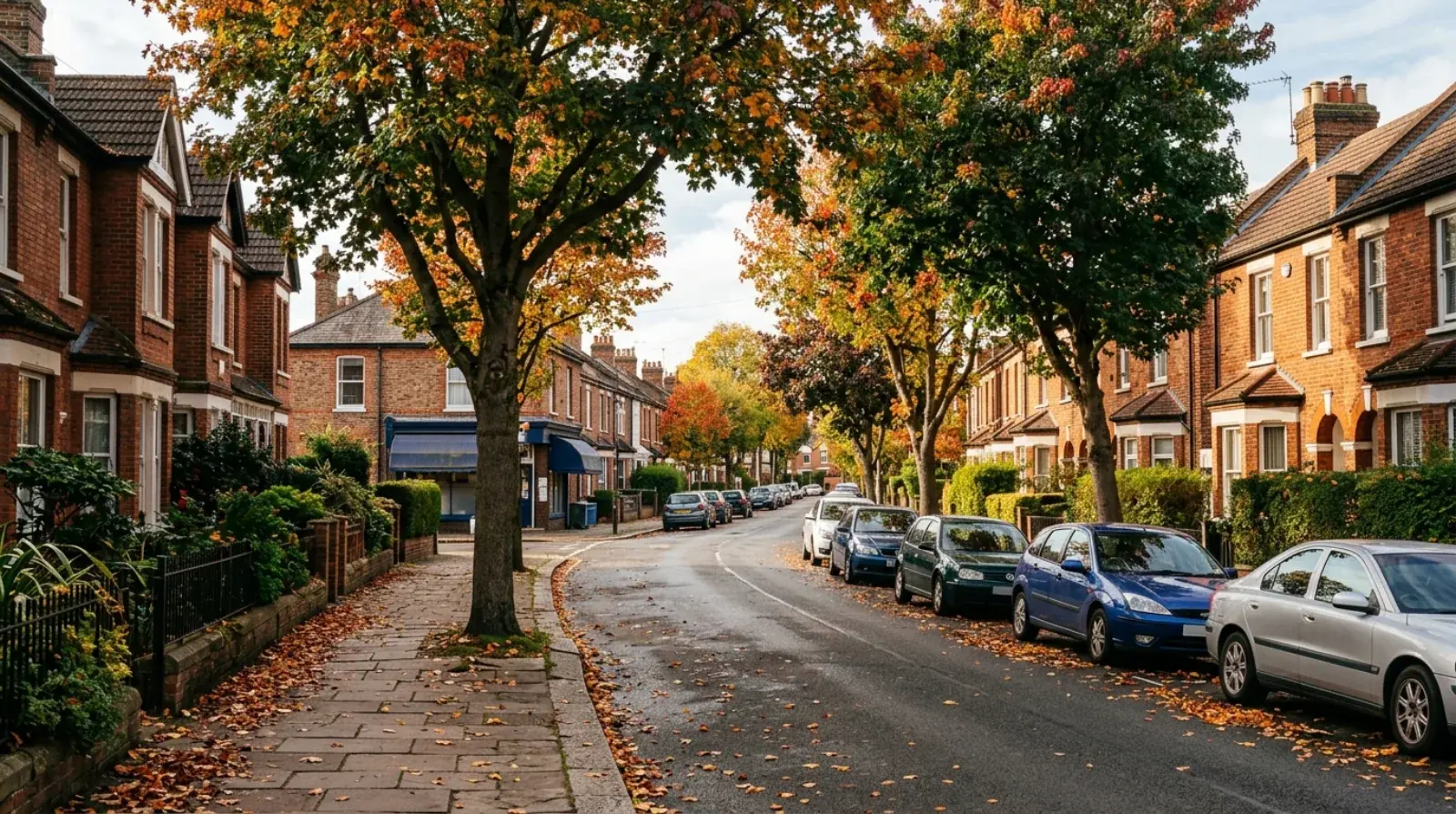
If you write one page this year, write a proper neighbourhood page. It is the only content where an individual agent can genuinely outperform a portal, because portals generate their area pages at scale from public data and structurally cannot produce what you have. Almost every version published by agents, though, is the version nobody needed.
The test before you start
Ask one question about the page you are planning: could an AI tool have written this without ever visiting the place?
If every sentence comes from public data, demographics, median price, proximity to shops and transit, walk score, the answer is yes. That page earns nothing, because an assistant has no reason to cite content it could produce itself, and a search engine has thousands of equivalent pages with more authority behind them.
Google's helpful content guidance points at the same standard from the other side: it rewards content demonstrating first-hand expertise, explicitly including expertise that comes from having actually visited a place. Presence is the qualifying ingredient, and it is the one thing you have that the portal does not.
What actually goes in
Everything you already say aloud to clients on the drive over, which feels too minor to publish and is precisely the material that cannot be generated.
The physical character, by street. Not the neighbourhood in general. Which blocks are quiet at eight in the morning and loud at eleven at night. Where the wind comes off the water. Which corner floods every November. Which stretch feels different after the new building went up.
The building stock and its known issues. Which complexes have levy histories worth asking about before writing an offer. Which era of construction has the recurring envelope problem here. Which strata councils are functional. Stated carefully and factually, since these are claims about real buildings, but stated.
What actually sells and what sits. Which unit types move in a week, which sit for two months, and your read on why. This is judgment nobody else can offer, and it is the single most useful paragraph on the page for both buyers and sellers.
The practical daily-life detail. Where visitor parking really is, as opposed to where the plans say. Which grocery run people actually make. Whether the school catchment does what everyone assumes. How long the commute takes at the hour it matters rather than at noon.
The honest drawbacks. Name them specifically. Buyers discover them anyway, and a page that admits the traffic on one arterial or the building type with recurring problems reads as written by a resident. A page with no negatives reads as marketing and gets discounted whole.
The structure that holds it together
Open by orienting a stranger in two or three sentences: where this place sits, what it is made of, who tends to live there. Then the physical character, then the building stock, then what sells, then daily life, then drawbacks, then a small dated section for current market conditions.
Headings should say what each section answers, so a machine extracting passages can tell what it is quoting. That is the same readability principle we described in content ideas that earn AI citations.
Keeping it current without rewriting it
Split the durable from the dated, and treat them differently.
Physical character, building stock, layout, and daily-life detail change slowly. Those sections can sit for years untouched and stay true.
Market conditions, price commentary, and anything about current inventory age in months. Put them in one clearly separated section with a visible last-checked date, and revisit it a few times a year.
Mixing the two without dating the volatile part is how a genuinely good page quietly becomes wrong, and a page quoted as current when it is three years stale does more damage than no page at all.
Why sellers may matter more than buyers here
The instinct is to write neighbourhood pages for buyers moving in. The stronger audience may be the homeowner already there.
NAR's top takeaways from its 2025 profile report that sellers now own their homes for a median of 11 years before selling, an all-time high. Somebody who has lived on the street for eleven years reads your page and knows within a paragraph whether you actually know the place. There is no faking it for that reader.
Passing that test is the most direct evidence available of the pricing and marketing judgment sellers say they weigh when choosing an agent, which we covered in how to get listings through farming.
One page, done properly, before a second
The temptation after finishing one is to produce the same page for six adjacent areas by swapping names. Resist it. That pattern performs badly on its own and can drag on the whole site's quality signals, and it is transparently what it is.
Write the second only when you can write it to the same depth as the first. For most agents that means one page this quarter and possibly a second next year, which is considerably more valuable than twelve thin ones this month.
How to gather the material without extra work
The objection to all of this is time, and it is a fair one. But the material already exists; it is just not written down.
Three habits collect it as a byproduct of work you are doing anyway.
Keep a note on your phone for the drive home from a showing. The thing you just explained to a client about that block, that building, that street, is exactly the content this page needs, and it is fresh for about an hour. Two sentences dictated in the car become a paragraph later.
Save the questions clients ask you about the area, verbatim. Repeated questions are the page's section headings, and they arrive free every week. If three clients have asked about the school catchment boundary, that is a section, and the answer you have given three times is already written.
Photograph what you notice. Not marketing photography, reference shots: the parking situation, the corner that floods, the view from the units everyone asks about. They jog the memory when you sit down to write, and some belong on the page.
Ten minutes a week of this produces more usable material in two months than a dedicated writing day produces from a blank page, because the knowledge is generated at the showing and lost by the evening. The blank page is what makes this feel hard, and the notes remove it entirely: by the time you sit down, the page is mostly assembly rather than composition.
The takeaway
Write the page only you could write. Skip the demographics and the walk score, because a portal already published those about everywhere. Put in the street-level observations, the building histories, the honest drawbacks, and your read on what sells and why, structured with headings that say what each section answers. Date the market section and leave the durable parts alone. One page like that outranks and outlasts twelve generated ones, and it is the closest thing an agent has to an asset that keeps working. Start with the notes from your next showing rather than with a blank page, and the first draft will mostly write itself.