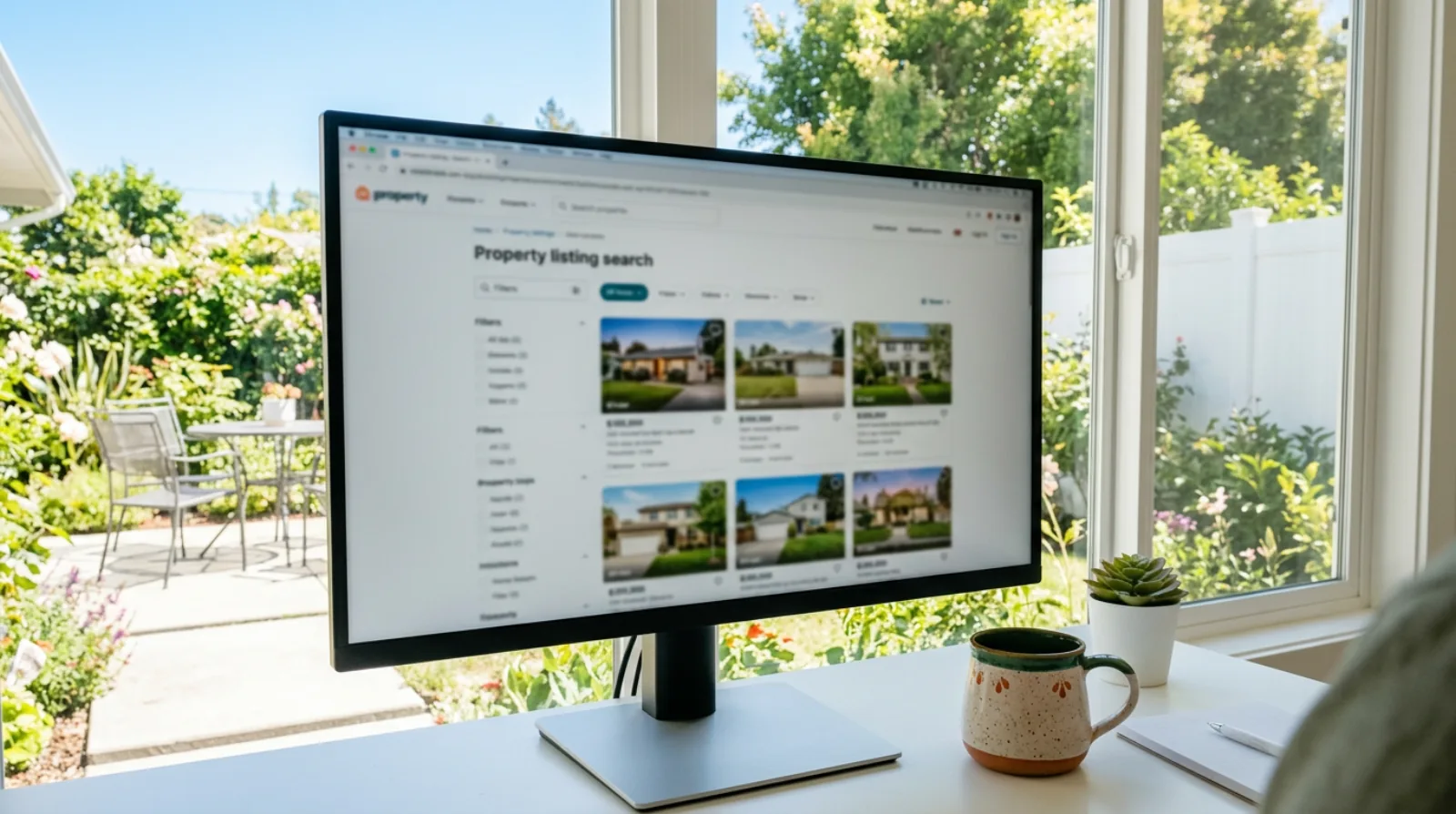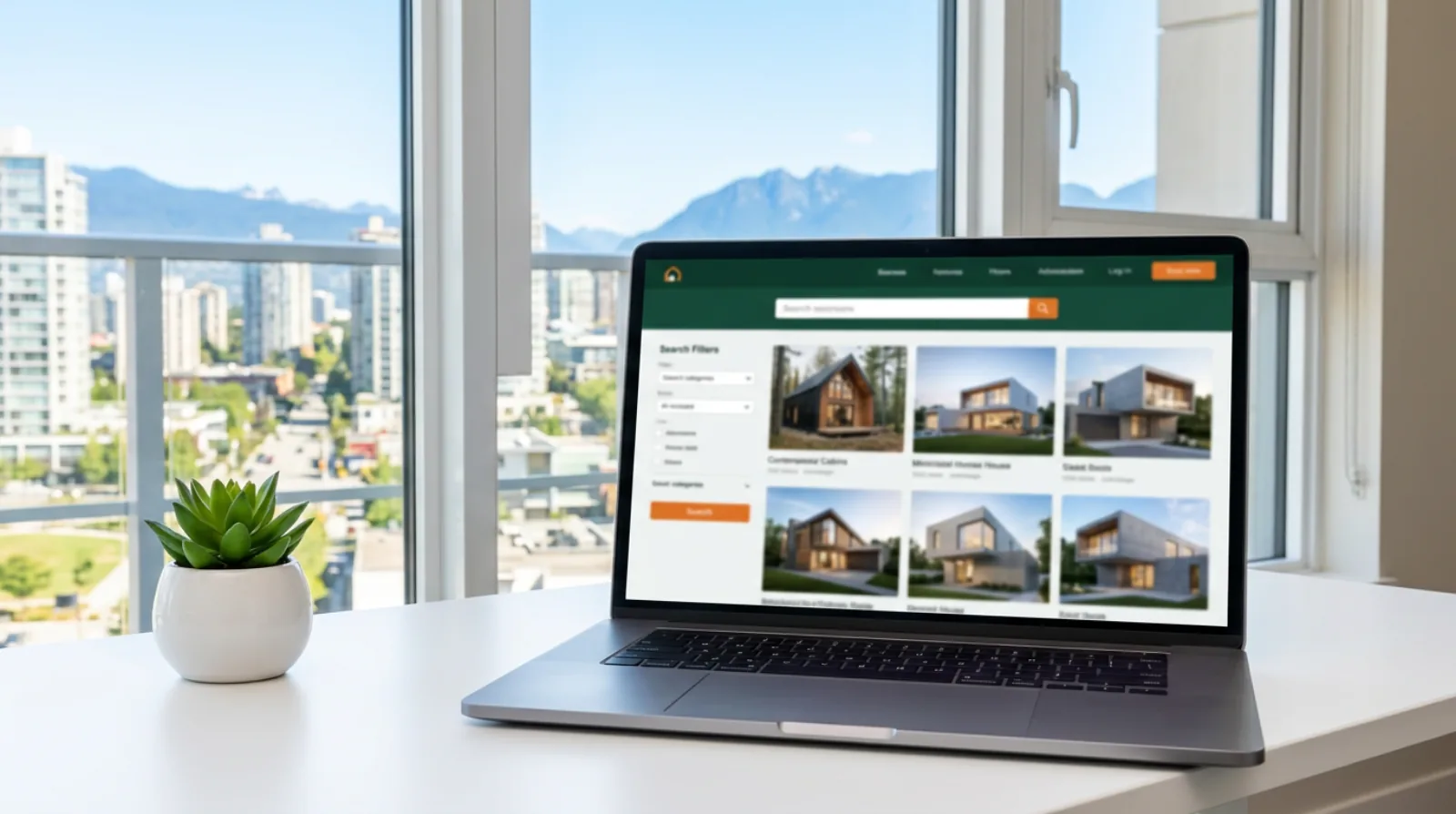
"Does the MLS have an API?" is usually the first question a developer asks when an agent wants live listings on a new site. The answer is yes. The harder questions are which API, who may use it, and what the site may show.
Yes: most MLS data now travels in one standard
The RESO Web API is the standard most North American MLS data now moves in. It is published by the Real Estate Standards Organization (RESO), built on OData, a web standard for asking a server for data with filters in the web address, and it uses the RESO Data Dictionary so each field has one name and meaning.
That means a request for listings looks the same from one feed to the next: the Property resource, a filter such as StandardStatus eq 'Active', a list of fields, and a limit. The Web API Core specification also requires servers to return a link to the next page of results when there are more, so code reads large sets page by page.
RESO writes the standard, and its own page says it does not provide MLS data. The data comes from an MLS, through a vendor the MLS approves.
There is no single Canadian MLS
In Canada, MLS systems are run by regional real estate boards. A listing in Kitsilano is in Greater Vancouver REALTORS' system. A listing in Langley may be in the Fraser Valley board's. Each board sets its own rules for who may receive its data and how it may appear.
So "the MLS API" in BC means one of two routes: a board's own feed, or CREA's national system.
Route one: a board's IDX and VOW feeds
A board's IDX feed (Internet Data Exchange) lets a member's website show active listings from across that board's MLS. A VOW feed (Virtual Office Website) carries data the board keeps behind a sign-up, such as sold prices, for visitors who register and accept terms.
These feeds reach a website through an approved data vendor. Saige is one: an approved data vendor for Greater Vancouver REALTORS, the Fraser Valley Real Estate Board, the Chilliwack and District Real Estate Board, and the BC Northern Real Estate Board, delivering the data in the RESO Web API format. Access is by request: a person on our team reviews each one, contacts the requester, and confirms what the board allows. The full process is on our page about how MLS API access works.
Route two: CREA's DDF
CREA's Data Distribution Facility, or DDF, is national. CREA's DDF Policy and Rules describe it as permission based. Participating brokerages and salespeople use a dashboard to choose where their listings go, through channels such as a Member Website Feed of their own listings, a National Shared Pool, and real estate advertising websites.
That opt-in design shapes what a DDF feed contains: listings from the participants who chose that channel. CREA publishes developer material for its DDF Web API through its DDF programming guides. Our comparison of CREA DDF and a board feed covers which suits which site.
Who may get access
Board data is licensed to members. In practice that means the access belongs to a licensed REALTOR or brokerage, and the site must follow their board's rules. A developer or designer can build the site, request access on the member's behalf, and do all the technical work. What changes is whose name the access is in, and who is responsible if a rule is broken.
This is also why Saige reviews each request by hand: someone has to confirm who the site is for and what it will show.
What the API does not do for you
An API gives you data, and following the rules is the site's job. The site's own code must credit each listing's brokerage, show the board's notice text, refresh on the schedule the board requires, and keep sold data behind sign-up. A vendor's widget may handle some of this. With an API, your code does it.
The other duty is the key. An API key in page code can be read by any visitor. It belongs in the builder's or host's secret storage, read only by server code. Our page on keeping your API key secret shows where that is in Lovable, Base44, Bolt, Replit, v0 and WordPress.
Which route fits your site
If you want only your own listings on your site, or national reach, DDF may be enough. If you want search across your local market, neighbourhood pages, or sold prices behind a sign-up, a board feed is the closer fit. A site can start with the board feed for search and add more later.
The takeaway
The MLS has an API, and in most cases it speaks the RESO Web API standard. In BC you reach it through a board's IDX and VOW feeds from an approved vendor, or through CREA's DDF. The technical part is the easy half. The licence, the board rules and a safely stored key are what make the site work long term. If you are building in a specific tool, the MLS API guide links a step-by-step hub for each one.